

Why Childhood Vaccines Are Important
Childhood vaccines are one of the most effective and safest ways to protect children from serious, potentially life-threatening diseases like measles, polio, and whooping cough.
By stimulating the immune system to produce antibodies without causing the illness itself, vaccines build immunity that shields children during their most vulnerable years and prevents dangerous outbreaks in communities.
Choosing vaccination not only safeguards your child’s health but also contributes to herd immunity, protecting infants who are too young to be vaccinated and individuals with weakened immune systems.
Understanding the Immunization Schedule
The immunization schedule is a science-backed timeline that ensures children receive vaccines at the right age for maximum protection.
It is carefully designed to build immunity before children are most exposed to dangerous diseases.
Common Side Effects and What’s Normal
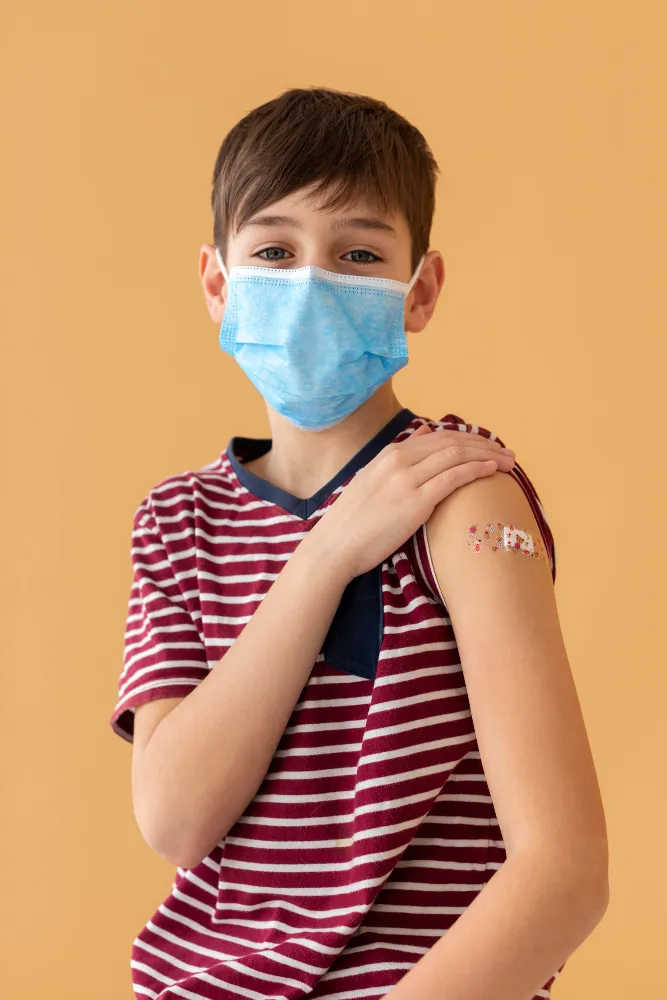
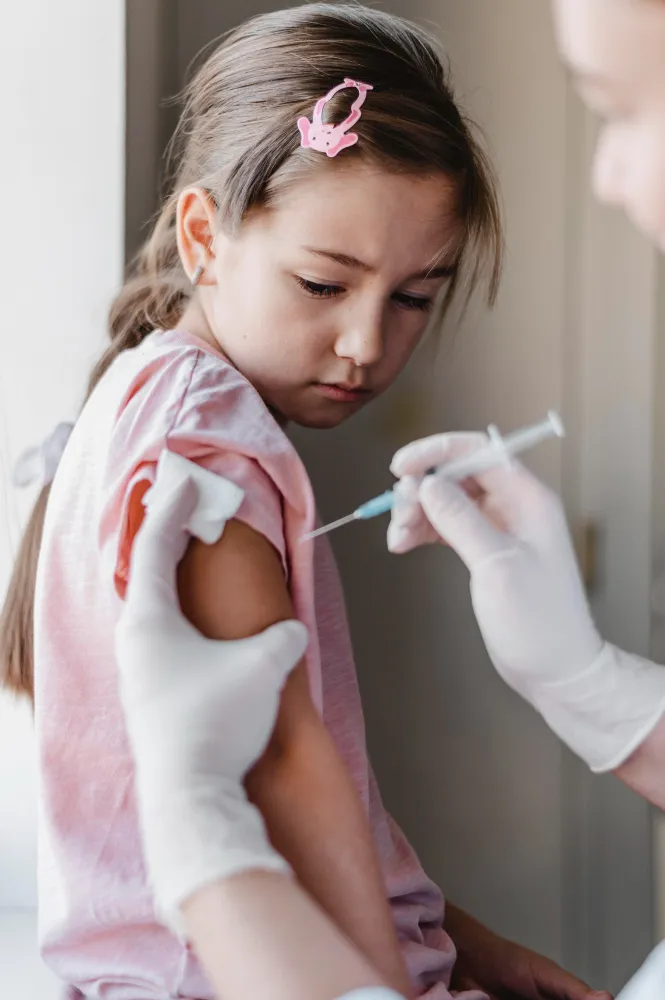
Common vaccine side effects like mild fever, fussiness, or soreness at the injection site are normal signs that the body is building immunity.
These reactions are usually mild, short-lived, and resolve within a day or two without any medical treatment.
Serious allergic reactions are extremely rare, but you should always contact your doctor if you have concerns or notice anything unusual.
Vaccine Safety and Myths Explained
Vaccines are rigorously tested and continuously monitored to ensure they are safe, effective, and life-saving for children and communities.
Despite widespread misinformation, scientific evidence overwhelmingly confirms that vaccines do not cause autism, contain unsafe ingredients, or overload the immune system.
Understanding the facts behind vaccine safety helps parents make informed, confident decisions that protect their child’s health and well-being.